Featured
Table of Contents
By running campaigns throughout multiple channels, businesses can connect with audiences at different stages of the client journey. A paid search ad might catch users prepared to acquire, while a TikTok video constructs awareness among brand-new audiences. Ensure consistency in messaging throughout platforms while customizing material to each platform's unique functions.
Retargeting is a powerful tool for optimizing engagement. By targeting users who have already revealed interest in your brand name, such as those who visited your website or interacted with a social networks ad, you can increase the probability of conversions. Platforms like Google Ads and Facebook offer af variety of retargeting choices, enabling marketers to serve ads to particular audience sections.
Continuous testing is vital for enhancing paid media projects. Explore different advertisement formats, targeting choices, and messaging to recognize what resonates with your audience. You could check a video advertisement versus a fixed image advertisement on Instagram to identify which drives higher engagement, or use A/B testing to compare variations and refine methods based on efficiency information.
Mastering the Winning SEM BlueprintBy staying nimble, online marketers can adjust to changing audience habits and platform algorithms. The final action is to measure the ROI of your paid media projects. Determine ROAS by dividing the revenue created from ads by the total ad spend. For instance, if a campaign creates $10,000 in revenue with a $2,000 advertisement spend, the ROAS is 5:1.
This report serves as a structure for future campaigns, assisting marketers fine-tune techniques to make the most of ROI across digital and traditional channels. Below are some of the more efficient platforms for paid media methods.
Why to Refine SEM Campaigns for Better ROI
It's perfect for capturing high-intent users actively browsing for services or products. Online marketers can target specific keywords, demographics, and places to guarantee ads reach the best audience. LinkedIn is an effective platform for B2B projects, providing sophisticated targeting alternatives for experts and decision-makers. Sponsored content, InMail, and display screen advertisements enable organizations to construct brand awareness and produce leads in an expert context.
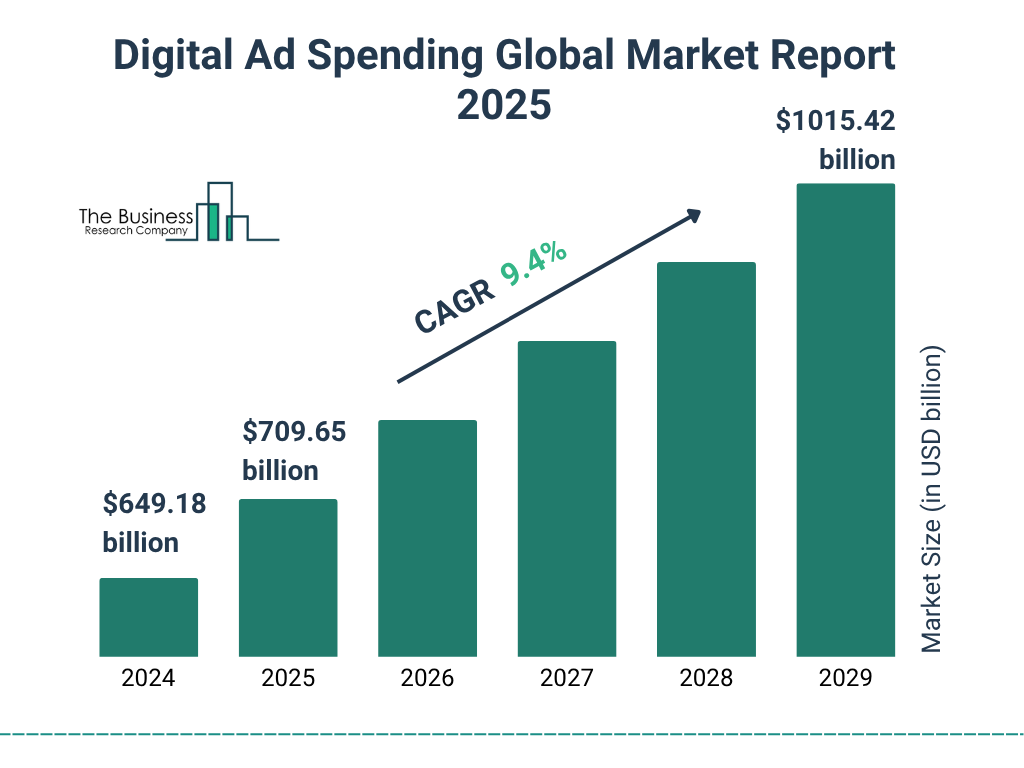
These platforms are perfect for both B2C and B2B campaigns, with tools like Facebook Advertisements Manager supplying in-depth analytics for optimization. Several tools can improve paid media campaigns and improve ROI. Google Advertisements provides keyword planning and efficiency tracking, while Facebook Advertisements Manager uses audience insights and retargeting alternatives. Third-party tools like HubSpot or Hootsuite can assist handle campaigns throughout platforms, offering a centralized dashboard for analytics and reporting.
Running paid media projects can provide challenges, such as spending plan constraints or underperforming ads. If advertisements are underperforming, evaluate targeting settings and advertisement imaginative to guarantee they align with audience choices.
Crafting a Holistic Paid Media Strategy
Rotate advertisement creative regularly and evaluate brand-new messaging to keep projects fresh. By addressing these obstacles proactively, marketers can maintain campaign momentum and accomplish much better ROI. Paid media is a vital element of an extensive digital marketing strategy. By integrating paid advertising with organic efforts, organizations can develop a cohesive method that maximizes engagement and conversions.
A paid search ad on Google can drive traffic to a blog site post, while a TikTok campaign builds awareness for the very same content. This integrated approach ensures that advertising efforts support more comprehensive marketing goals, providing measurable results. Taking full advantage of ROI through paid media techniques needs a tactical, data-driven technique.
This guide to paid media supplies a roadmap for success, whether you're launching your very first project or fine-tuning an existing technique. By focusing on optimization, screening, and analytics, companies can achieve greater conversion rates, develop brand awareness, and optimize ROI throughout digital and traditional channels. With the right tools and techniques, paid media campaigns can change your marketing efforts and drive long-lasting growth.
Auditing Your Paid Strategy for Growth Potential
Paid media can be the key to unlocking your company's capacity. With the proper paid media spending plan and the right mix of channels, you can increase your brand name's exposure, reach new audiences, and drive more conversions. Whether you're a seasoned marketer or simply beginning out, we've got you covered with our professional suggestions and tricks for producing a successful paid media campaign.
Unlike earned media, which is coverage that a company receives from media outlets without payment, or owned media, which is content that a company produces and owns, paid media is a channel to reach a broader audience through targeted advertisements. There are several kinds of paid media, consisting of pay-per-click (PPC) marketing, display marketing, social networks marketing, and native marketing.
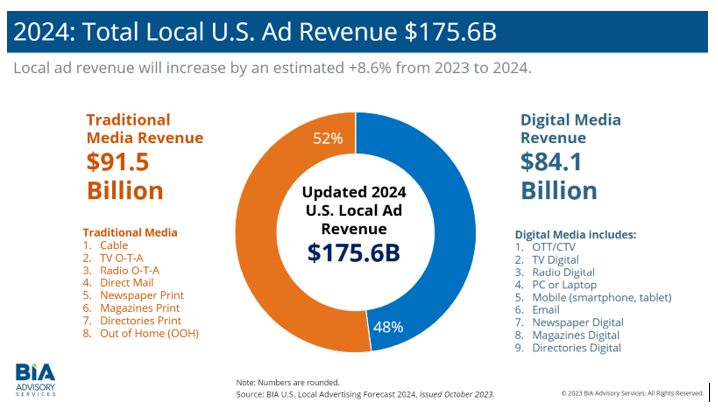
Wanting to take the stress of handling paid media projects yourself? The digital marketer at Intuitive Digital are ready to assist! Setting up successful paid media projects that align with your company's goals requires thoughtful consideration and preparation of numerous elements, such as: The initial step in developing a paid media strategy is to define your objectives and goals.
Next, you'll need to recognize your target audience. Who are you trying to reach? Now that you have a clear understanding of your target audience and project goals, it's time to explore the different paid media channels out there.
Reducing Wasted Ad Spend to Maintain High Reach
Keep in mind that each channel has its unique benefits and downsides. To determine which channels will be most effective for your project, it is necessary to try out various media mix options and examine their performance. Do not stress, we'll dive into more detail quickly! Money talks, so it is necessary to develop a budget plan for your paid media marketing project to make sure you do not break the bank.
Marketing spending plan allowance depends on a range of factors including your industry and project goals. You'll also require to identify your essential efficiency signs (KPIs), AKA the metrics you'll utilize to measure your project's success.
By developing clear KPIs before the campaign launches, development can be tracked in real-time and required adjustments can be made to improve outcomes. After conclusion, you can utilize those KPIs to evaluate the success and determine locations for enhancement for future projects. Paid media offers organizations different methods to reach their target audience and achieve their marketing objectives.
These advertisements appear at the top of search results and can be targeted based on keywords, demographics, and geography. These advertisements can be targeted based on the demographics, interests, and habits of users.

Latest Posts
Comparing Search Vs. Display Ad Efficiency
How Local Retail Support Creates Results
Creative Display Advertising Strategies for Growth